
For the past eight years, I have lived and breathed the employee listening industry. I’ve partnered with countless organisations, and either worked for or spoken to almost every major provider in the space. It’s an industry I’ve always been incredibly passionate about because, at its core, it’s supposed to be about giving your people a voice, understanding their challenges, and building better, more resilient cultures.
But over the last year or two, I have to admit, I became deeply disillusioned.
As I looked across the landscape, I saw an incredibly crowded market where almost everyone was doing the exact same thing. The noble goal of “employee listening” had devolved into a reactive, one-size-fits-all, tick-box exercise.
The Problem with the “Sea of Sameness”
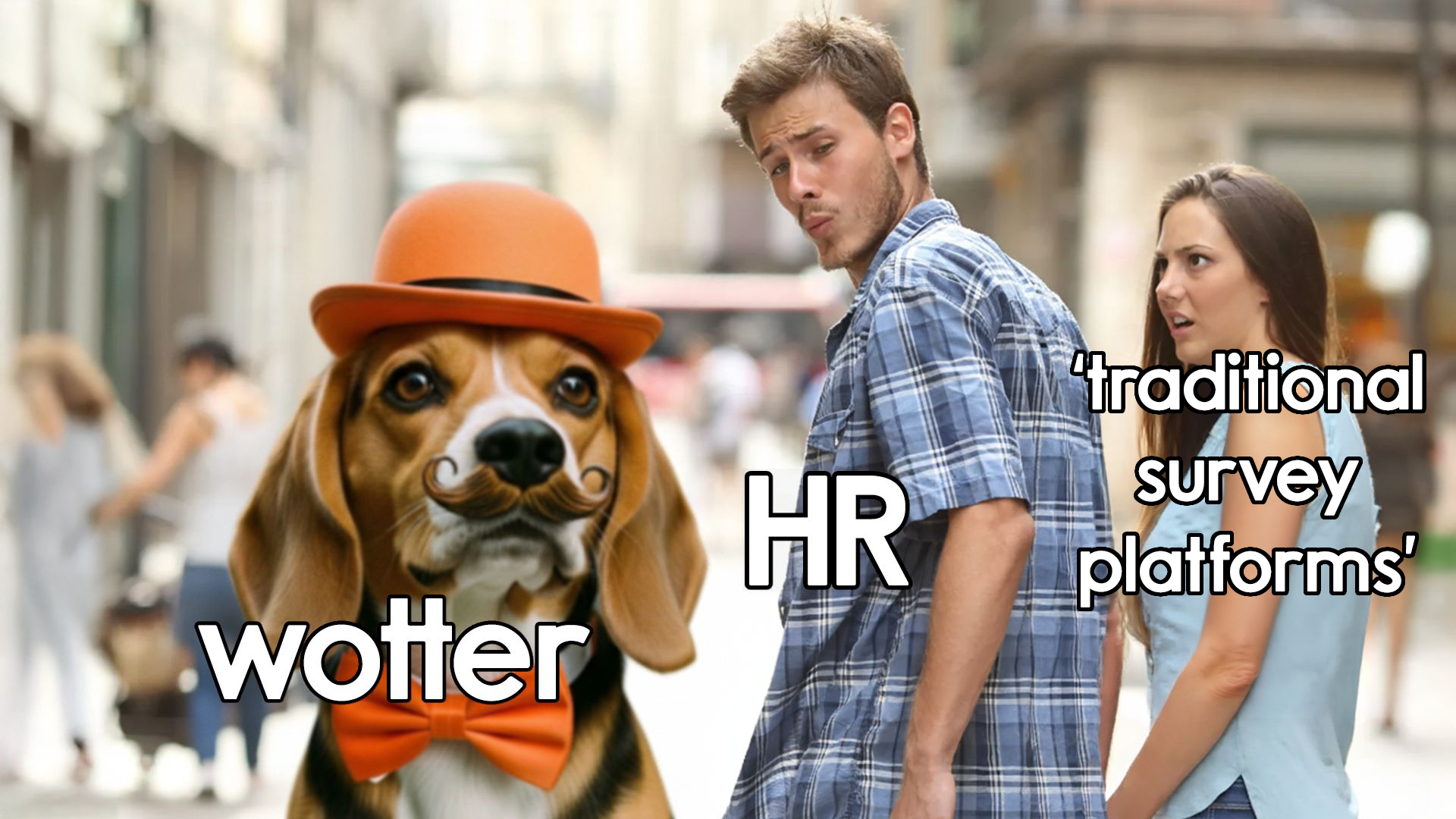
The traditional approach to employee listening is broken. Companies are blasting out the same 50 generic questions to every single employee across the organisation, regardless of their role, tenure, or current situation. Employees feel like they are just a number filling out a form that disappears into an HR black hole.
Worse still is the lag time. By the time the survey closes, the data is processed, and the leadership team gets access to their dashboards, weeks or even months have passed. The sentiment has already shifted. Somebody who was a flight risk has already handed in their notice. The friction points that were bubbling up have already caused damage. Traditional employee listening isn’t a health check; it’s an autopsy.
I was desperately looking for a solution that actually moved the needle and treated employees like individuals.
Then earlier this year, I spoke to the team at Wotter.
The Turning Point: Why Wotter is Different
When I saw what Wotter was building, my excitement for this industry was completely reignited. They aren’t just putting a fresh coat of paint on an old survey model or offering a slightly better dashboard. They are fundamentally redefining the space.
Here is exactly how Wotter is breaking the mould:
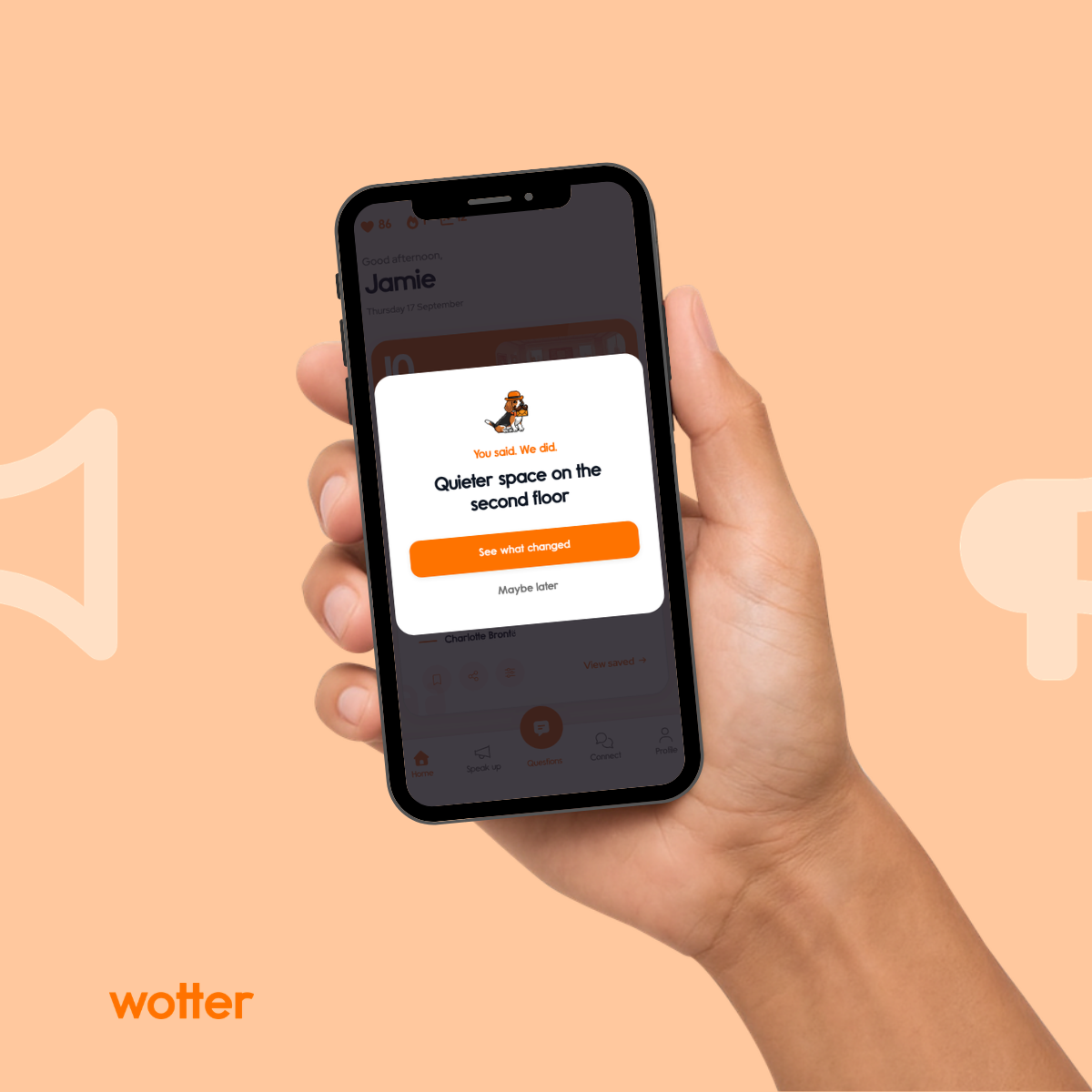
- Individualised, Algorithmic Questioning: Instead of exhausting your team with massive, generic surveys, Wotter uses a unique, proprietary algorithm that asks different questions to different employees at the exact same time. Every single person gets a highly tailored experience based on their specific demographics, tenure, and what is relevant to them in that exact moment. It eliminates survey fatigue and ensures that every question asked actually matters.
- AI-Assisted Predictive Analytics: Employee listening should never be reactive. Wotter leverages advanced AI to provide leaders with live data and instant, actionable plans. It doesn’t just tell you what happened last month; it helps organisations spot trends and predict outcomes. It empowers leaders to fix team friction points before they become full-blown cultural or retention issues.
- Targeted Flight Risk Identification: It is easy to spot a loud, actively unhappy employee. But the real danger to your business is the quiet high-performer who has slowly disengaged and become a passenger. Wotter features a dedicated Flight Risk module that analyses behavioural indicators to help you spot a resignation letter months before it is even written. It gives you the critical window needed to intervene and re-engage your best talent before they walk out the door.
Moving from Reactive to Proactive
We are finally moving away from the era of “we surveyed them… now what?” to a world where businesses can be genuinely proactive and predictive about their workforce’s well-being. Wotter doesn’t just give you a spreadsheet or dashboards of scores; it gives you the exact tools you need to build a better business today.
I am incredibly excited and proud to join the Wotter team. I truly believe that the future of employee listening lies in AI-assisted predictive analytics and hyper-personalised experiences.
If you are tired of the traditional tick-box approach, sick of survey fatigue, and want to see what the future of true employee engagement looks like, I’d love to connect. Drop me a message, and let’s change the way you listen to your team.